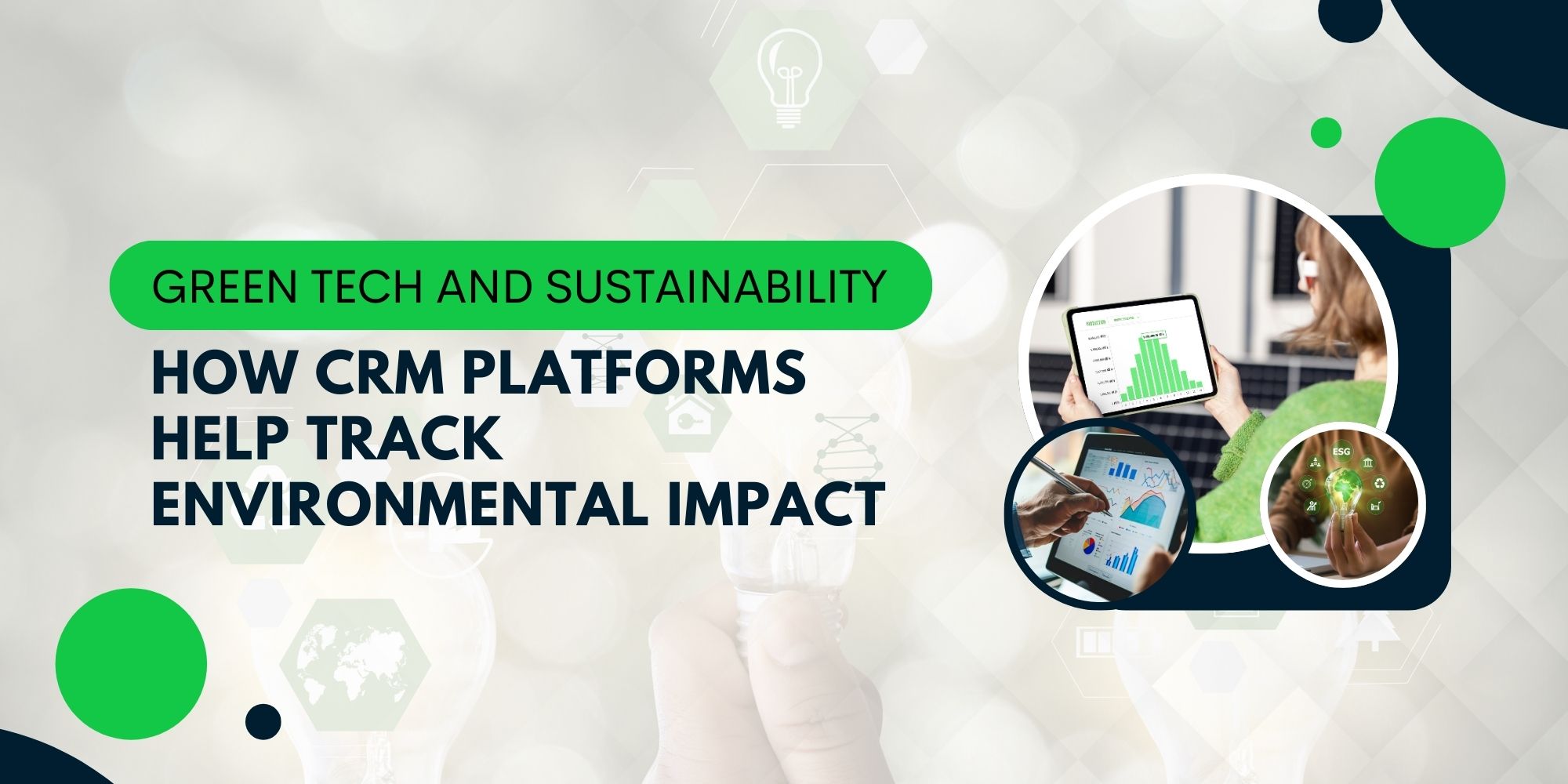
Welcome back, everyone! Grab a cup of coffee (or your favorite green smoothie) and settle in as we explore the intersection of green technology, sustainability, and modern Customer Relationship Management (CRM) systems. Today, businesses are expected to grow not just but responsibly. Sustainability is no longer a buzzword, it’s a business imperative.
As organizations embrace eco-conscious strategies, CRM platforms are stepping up in a surprising but powerful role: helping companies track, report, and improve their environmental impact. Are you curious how software designed to manage customers fits into the sustainability puzzle? Let’s dive in.
Short on time? Don’t worry; a quick summary is waiting for you at the end!
Why Sustainability Matters in 2025 (and Beyond)
Sustainability isn’t just about going paperless or turning off lights. In 2025, it means reducing carbon footprints, building circular supply chains, and making data-driven environmental decisions. With consumers and investors alike demanding transparency and accountability, companies that fail to prioritize sustainability risk falling behind.
Governments are also tightening regulations. From the EU’s Corporate Sustainability Reporting Directive (CSRD) to the SEC’s proposed climate disclosures in the U.S., environmental tracking is moving from voluntary to mandatory—especially for global brands.
The Unexpected Role of CRM in Green Tech
You might think of CRM platforms as tools for sales, marketing, or customer support. But modern CRMs are much more than glorified contact lists. They’ve become powerful data hubs that can integrate with sustainability tools, track behavior, and support environmental strategies.
Here’s how:
1. Tracking Carbon Footprints from Customer Interactions
Advanced CRM platforms can now track emissions data associated with customer activities. For instance:
- Digital vs. physical touchpoints: CRMs can report how often customers opt for paper invoices, physical mail, or travel-heavy services, helping companies encourage greener alternatives.
- Shipping and logistics: Integrated systems can calculate emissions from product deliveries based on distance, transport method, and frequency.
- Energy consumption: If your business runs physical locations (like stores or service centers), CRMs can track how customer interactions correlate with energy use.
By aggregating this data, companies gain insight into which operations drive emissions—and where there’s room for improvement.
2. Sustainability-Focused Customer Segmentation
Want to run a campaign encouraging your customers to go green? CRMs can help you:
- Segment audiences based on eco-friendly behaviors.
- Personalize communications to promote green products or services.
- Reward sustainability (e.g., loyalty points for customers choosing carbon-neutral shipping).
Some companies are now adding sustainability scores to customer profiles, using AI to suggest actions that reduce environmental impact, benefiting both the customer and the planet.
3. ESG Reporting and Compliance Automation
Many organizations now issue Environmental, Social, and Governance (ESG) reports. CRM platforms can:
- Collect relevant data across departments.
- Integrate with supply chain software to monitor emissions and energy use.
- Automate sustainability metrics and dashboards.
Platforms like Salesforce’s Net Zero Cloud allow businesses to calculate Scope 1, 2, and 3 emissions directly within the CRM, making it easier to comply with reporting standards and keep investors informed.
4. Vendor and Partner Transparency
CRMs can help businesses evaluate and monitor third-party vendors for sustainability. By integrating vendor data, companies can:
- Prioritize suppliers who align with green values.
- Track the environmental performance of partnerships.
- Reduce overall carbon footprints through informed choices.
Real-Life Example:
Patagonia, a well-known outdoor brand, leverages CRM and ERP integrations to maintain full supply chain transparency. They track environmental impact at every level—from material sourcing to customer delivery. This data not only informs internal sustainability strategies but also strengthens consumer trust.
Similarly, Salesforce uses its own CRM system to track its journey to net zero, helping clients do the same by embedding sustainability data within every customer record.
5. Customer Engagement and Green Branding
A CRM’s power lies in personalization, and nothing connects better in 2025 than authentic sustainability. Use your CRM to:
- Send eco-conscious updates tailored to each customer.
- Promote green initiatives (like planting trees for each sale).
- Gather feedback on sustainability efforts.
This builds a stronger emotional connection with eco-minded customers, increasing loyalty and brand advocacy.
Looking Ahead: Sustainability as a CRM Priority
The CRM of the future isn’t just about sales pipelines—it’s about planet pipelines too. Expect future updates to include real-time environmental impact tracking, AI-powered sustainability recommendations, and automated ESG compliance tools as standard features.
TL;DR: CRM platforms are evolving to support sustainability goals. From tracking carbon footprints to automating ESG reporting, CRMs help companies monitor their environmental impact. With the right integrations and strategies, your CRM can become a powerful ally in your green tech journey—improving transparency, compliance, and customer loyalty all at once.
Hope you enjoyed this post! While you’re here, why not check out a few of our other pieces? We have several blog posts on HR, Cloud Technologies, Salesforce CRM, AI, Salesforce CPQ, Zoho, Bitcoin, Cybersecurity, AWS, and many other topics we just know you’ll love. Browse the topics here!
Contributor