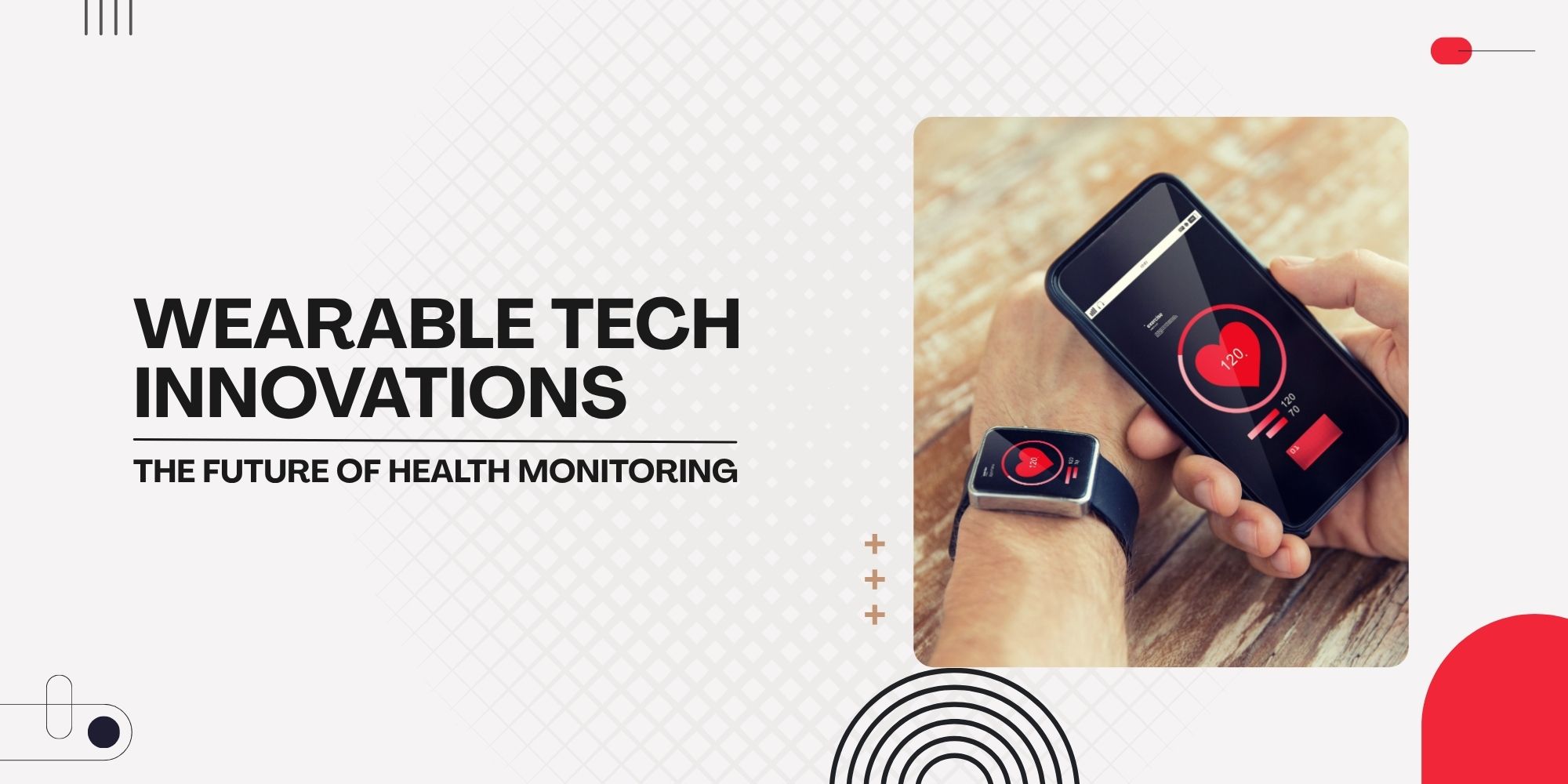
Hello, all! Welcome back to the blog. Today, we’re talking about those devices we love to hate: Our fitness trackers. We love them because they tell us a lot about ourselves. We hate them for the same reason. You gotta love the nag to stand up and move around once an hour, right? Not. Anyway, let’s talk about it! Ready? Grab a blanket and get cozy. Here we go…
Wearable technology has evolved from fitness trackers that count steps to sophisticated devices capable of monitoring vital signs, predicting health risks, and even saving lives. As innovation accelerates, wearable tech is moving beyond consumer gadgets and becoming a central tool in healthcare. The future of health monitoring may well rest on your wrist—or embedded seamlessly in your clothing. Which is like a whaaaaaat moment, right?
From Fitness to Full Health Insights
Early wearables focused on lifestyle metrics like steps taken, calories burned, and hours of sleep. While these features encouraged healthier habits, they barely scratched the surface of health monitoring. Today’s devices can track heart rate variability, oxygen saturation, stress levels, and even detect irregular heart rhythms such as atrial fibrillation.
The evolution reflects a broader trend: shifting from passive data collection to active health management. Instead of simply logging metrics, wearables now provide actionable insights that help users and physicians make informed decisions.
Advanced Sensors and Continuous Monitoring
Modern wearables rely on advanced sensors, miniaturized electronics, and AI algorithms to deliver real-time health insights. Devices can continuously monitor metrics like glucose levels for diabetics, hydration levels for athletes, or blood pressure for those at risk of hypertension. Some experimental models are exploring noninvasive methods for detecting biomarkers in sweat or interstitial fluid, which could provide early warnings for conditions such as dehydration or infection.
Continuous monitoring offers advantages over occasional check-ups by capturing health data during everyday life. This allows for earlier detection of anomalies and provides doctors with richer datasets for personalized treatment.
Integration with Healthcare Systems
One of the most exciting directions for wearable tech is integration with electronic health records (EHRs) and healthcare providers. Instead of visiting a clinic for routine monitoring, patients can share real-time data directly with their doctors. This enables proactive care, reduces unnecessary visits, and improves chronic disease management.
Telemedicine platforms are also adopting wearables to enhance remote consultations. For example, a physician can evaluate a patient’s heart rate trends, sleep patterns, or oxygen levels before or during a virtual appointment, leading to more informed care decisions.
AI-Powered Predictions
Artificial intelligence is amplifying the potential of wearables by turning raw data into predictive insights. Algorithms can analyze subtle changes in heart rate or activity levels to forecast potential issues before symptoms appear. For instance, AI-powered wearables may soon predict flare-ups for chronic illnesses, identify early signs of infections, or warn of increased risk of cardiac events.
This predictive capability transforms healthcare from reactive to preventive, reducing costs while improving outcomes.
Challenges on the Horizon
Despite their promise, wearable innovations face challenges. Accuracy varies between devices, and inconsistent data could undermine trust among medical professionals. Privacy and security are also critical concerns, as continuous health monitoring generates vast amounts of sensitive data.
There are regulatory hurdles too. For wearables to be fully adopted in healthcare, they must meet strict standards for medical devices—a higher bar than consumer electronics. Ensuring compliance while maintaining affordability and ease of use will be essential.
What the Future Holds
The next generation of wearables will likely extend far beyond wristbands and watches. Smart clothing embedded with sensors, contact lenses that monitor glucose levels, and skin patches that track hydration or hormones are all on the horizon. Combined with advances in AI, cloud computing, and connectivity, these devices will make health monitoring more personalized, proactive, and pervasive than ever before.
As wearable tech continues to innovate, the line between consumer gadget and medical device will blur. What started as step counters could soon serve as indispensable partners in lifelong health management, empowering individuals and healthcare providers alike to make better, faster decisions.
Thank you so much for reading! While you’re hanging around, why not check out some of our other blog posts. We cover a ton of topics from EV innovation to interviews with our employees. Take a peek here.
Contributor