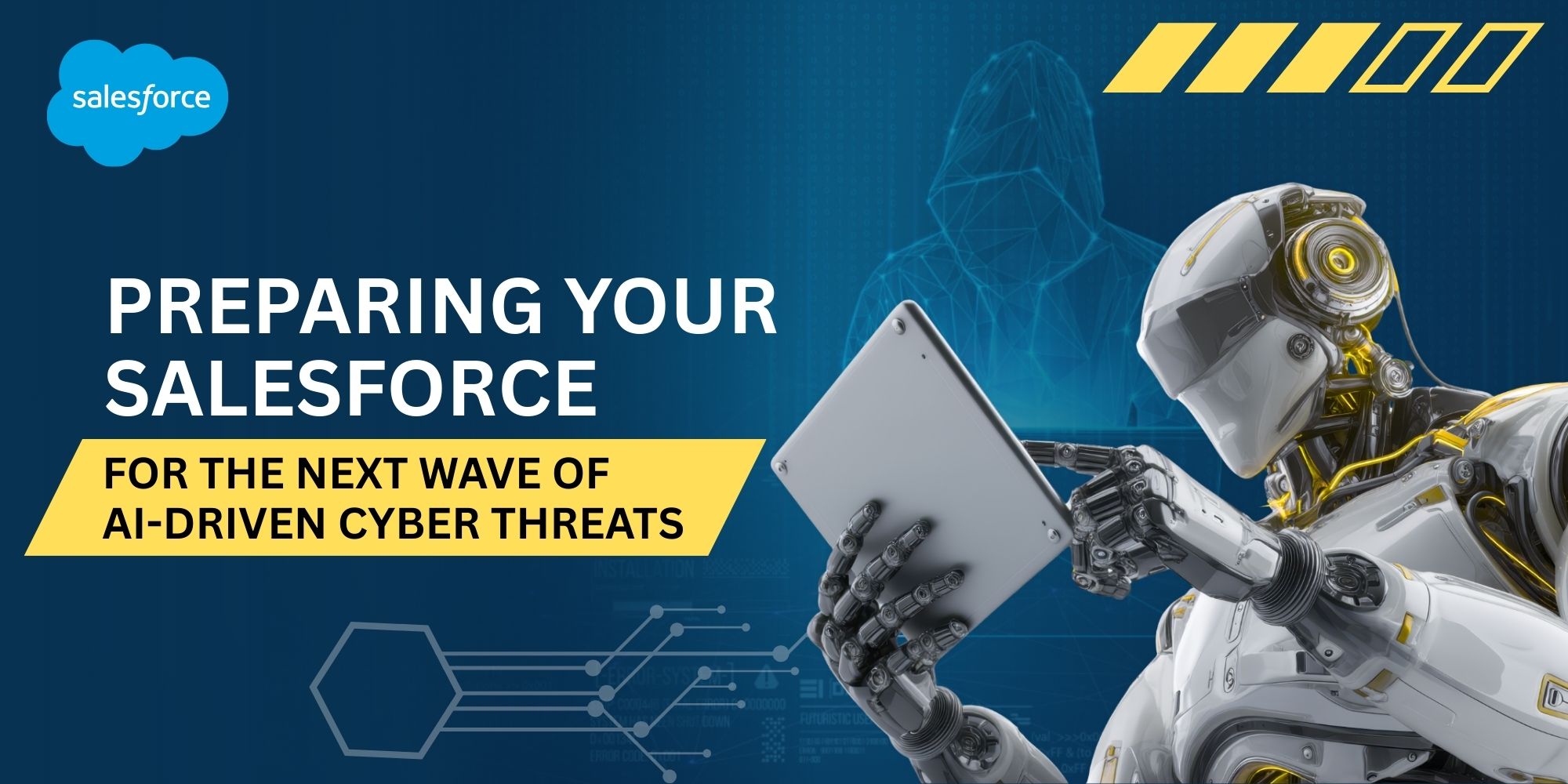
Welcome back, everyone! Grab your favorite drink and get comfortable as we explore how Salesforce environments can be strengthened to withstand the new wave of AI-powered threats. With cyberattacks becoming more automated, adaptive, and intelligent, organizations need to think beyond traditional defenses. Building resilience isn’t just about protection—it’s about ensuring business continuity no matter what challenges arise.
If you’re short on time, check out the TL;DR at the end!
What Does Resilience Mean in Salesforce?
Resilience is the ability of your Salesforce environment to continue functioning even when under attack or facing unexpected disruptions. It goes beyond firewalls and monitoring. True resilience combines secure architecture, proactive defense, and rapid recovery. In the context of AI-driven threats, this means:
- Designing with a zero-trust mindset
- Embedding predictive intelligence that spots anomalies before they escalate
- Ensuring recovery systems can restore data and operations quickly
- Balancing automation with human oversight to respond effectively
Why Resilience Is Critical Today
- Defends against AI-driven attacks: Threat actors now use AI to scale phishing, malware, and identity theft. A resilient environment anticipates and neutralizes these attempts.
- Protects customer trust: Salesforce holds sensitive customer data. Any breach can damage both reputation and relationships, making resilience a business priority.
- Ensures compliance: With regulations tightening worldwide, resilience strategies help businesses meet data security and governance requirements.
- Reduces downtime: Prepared systems recover faster, minimizing operational disruption and financial loss.
- Builds long-term confidence: A resilient Salesforce instance reassures stakeholders that your organization is prepared for evolving risks.
Challenges in Building a Resilient Salesforce Environment
While the goal is clear, getting there isn’t simple. Organizations face hurdles such as complex integrations with multiple apps, the need to continuously monitor evolving threats, and balancing the speed of automation with the assurance of manual oversight. Limited budgets or lack of skilled teams can also slow the adoption of best practices.
How to Strengthen Resilience with Salesforce
Salesforce provides a strong foundation for building resilience, but success comes from layering tools, governance, and strategies. Key practices include:
- Adopting zero-trust principles: Assume every access attempt must be verified and continuously monitored.
- Leveraging AI for threat detection: Use Salesforce’s Einstein capabilities to identify unusual behavior early.
- Implementing backup and recovery plans: Ensure reliable systems are in place for quick restoration of data and workflows.
- Embedding governance and controls: Maintain audit trails, permission frameworks, and compliance reporting.
- Training teams for incident response: Equip employees to act swiftly and confidently during potential disruptions.
A Look Toward the Future of Resilience
The threat landscape is evolving rapidly, but so are the defenses. Salesforce environments of the future will likely feature more predictive dashboards, real-time adaptive security, and deeper integration of explainable AI into monitoring systems. The focus will not just be on preventing attacks but ensuring businesses can adapt, recover, and continue delivering value no matter what threats emerge.
TL;DR: Building resilience in Salesforce means preparing for AI-powered threats with proactive defense, zero-trust architecture, and rapid recovery systems. Benefits include stronger protection, regulatory compliance, and reduced downtime, though challenges like complexity and resource constraints remain. By combining Salesforce’s tools with strong governance and team training, organizations can ensure their environments are secure, adaptable, and built for the future.
Hope you enjoyed this post! While you’re here, explore our other blogs on Salesforce CRM, AI, Zoho, Cybersecurity, Cloud Technologies, and more—all designed to keep you ahead in an ever-changing digital world.
Contributor