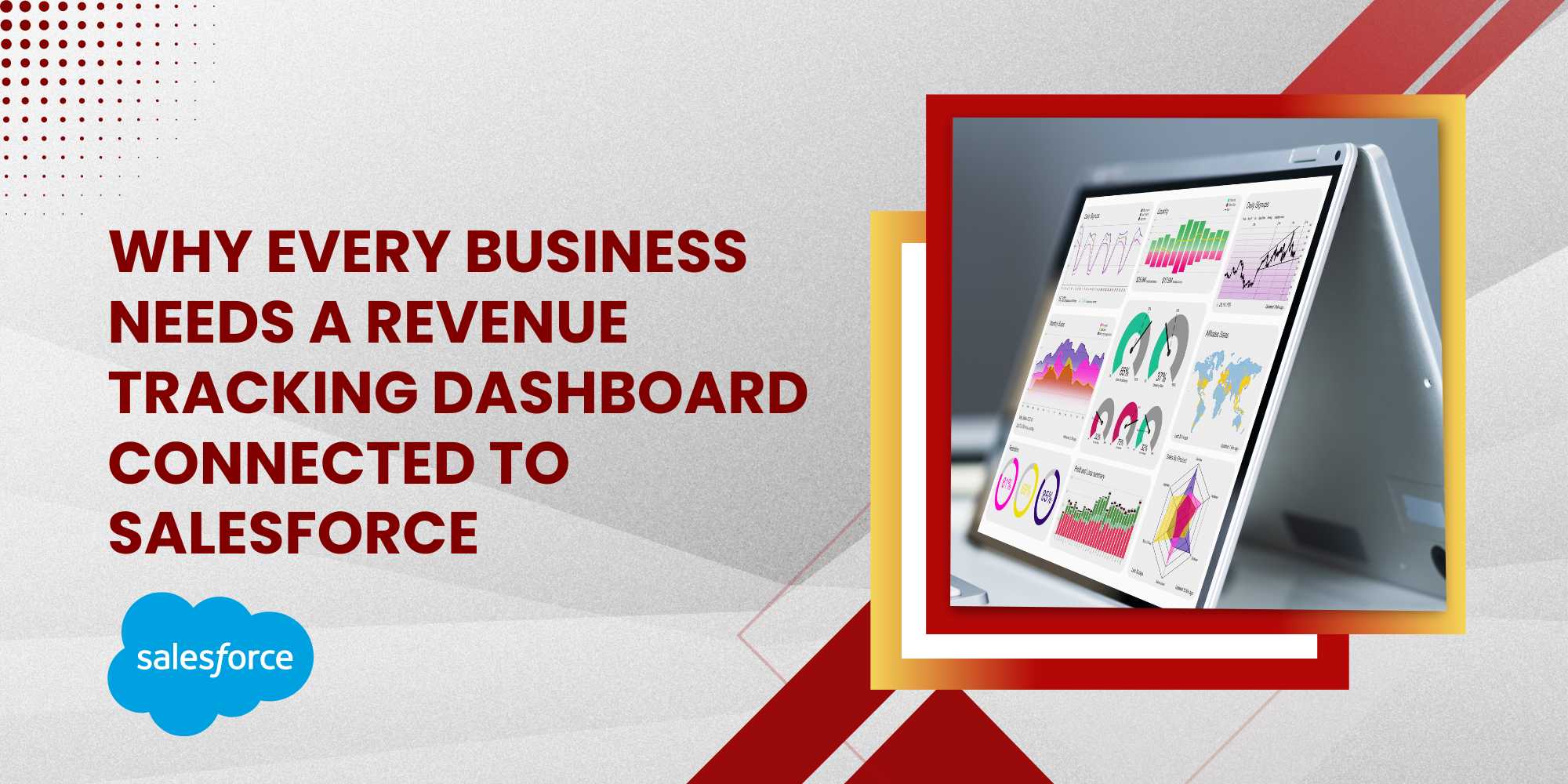
A revenue tracking dashboard integrated with Salesforce offers real-time insights, simplifies decision-making, and identifies trends. It ensures accurate performance measurement, uncovers valuable insights, and enhances business agility, helping avoid financial surprises and keeping businesses competitive.
Hi everyone! Grab your favorite drink, get cozy, and explore how a revenue tracking dashboard integrated with Salesforce can transform your business. We’ll dive into the benefits of real-time insights, streamlined decision-making, and enhanced agility. If you’re short on time, skip to the bottom for a quick summary!
In today’s fast-paced business environment, having real-time access to financial metrics is crucial for making informed decisions and staying competitive. A revenue tracking dashboard serves as an essential tool for businesses of all sizes, providing valuable insights and fostering strategic growth. Integrating this dashboard with Salesforce enhances its utility, leveraging the platform’s comprehensive CRM capabilities to deliver even more value. Here’s why every business should invest in a revenue tracking dashboard connected to Salesforce.
1. Real-Time Insights
A revenue dashboard offers real-time visibility into your financial metrics, which is a significant advantage over traditional reports. Traditional financial reports often provide a retrospective view, analyzing what happened in the past. In contrast, a dashboard gives you a current snapshot of your business’s financial health. It’s akin to driving a car while looking through the windshield, rather than relying solely on the rearview mirror. With real-time insights, you can promptly identify issues and opportunities, allowing you to make informed decisions swiftly.
Connecting this dashboard to Salesforce ensures that all your CRM data, such as sales figures, customer interactions, and pipeline status, is up-to-date and seamlessly integrated into your financial overview. This integration means you get the most accurate and comprehensive data available, enhancing your decision-making capabilities.
2. Holistic View
Dashboards aggregate essential business metrics in one place, providing a comprehensive overview. This means you no longer need to sift through various tools or spreadsheets to get a complete picture of your financial performance. By consolidating data from different sources, dashboards become your single source of truth. This streamlined approach saves time, reduces complexity, and minimizes the risk of errors associated with manual data handling.
Salesforce integration further enhances this holistic view by pulling in detailed CRM data, ensuring your revenue dashboard reflects all aspects of your business operations. This comprehensive perspective is invaluable for understanding how different parts of your business contribute to overall financial health.
3. Identify Trends
One of the significant advantages of using a revenue dashboard is the ability to analyze historical data alongside real-time information. This combined view helps you spot trends and patterns that might not be immediately apparent. Whether it’s tracking revenue growth, understanding customer behavior, or monitoring market shifts, dashboards provide the insights needed to capitalize on opportunities or course-correct before it’s too late. Identifying these trends early can give your business a competitive edge.
With Salesforce integration, you can leverage its powerful analytics tools to deepen your trend analysis. Salesforce’s advanced reporting capabilities, combined with your revenue dashboard, allow for more nuanced insights and predictive analytics.
4. Strategic Decision-Making
Accurate data is the backbone of strategic decision-making. With a revenue dashboard, you have access to precise and up-to-date information at your fingertips. This enables you to make strategic decisions with confidence, whether you’re adjusting marketing campaigns, allocating resources, or optimizing pricing strategies. Dashboards guide your choices, ensuring they are based on solid data rather than gut feelings or outdated information.
Integrating Salesforce with your dashboard means that your strategic decisions are backed by comprehensive customer and sales data, further enhancing the accuracy and effectiveness of your strategies.
5. Performance Measurement
A revenue dashboard allows you to track key performance indicators (KPIs) effortlessly. Monitoring metrics such as recurring revenue, customer engagement, and churn rates becomes straightforward. This is particularly valuable for SaaS companies, where metrics like Monthly Recurring Revenue (MRR) are crucial. By keeping a close eye on these KPIs, you can ensure your business is on track to meet its financial goals and identify areas needing improvement.
Salesforce integration enables seamless tracking of sales performance metrics, ensuring that your revenue dashboard is always populated with the latest data. This connection provides a clearer picture of your performance against key metrics.
6. Uncover Insights
Beyond mere revenue figures, dashboards can reveal deeper insights about your business. For instance, you can identify your most valuable customers, assess lead performance, and quantify departmental resources based on revenue contributions. These insights help you understand which aspects of your business are driving success and which areas require attention. By leveraging this information, you can make data-driven decisions to optimize performance across the board.
Connecting to Salesforce enhances this capability by providing detailed customer and sales data, allowing you to uncover even more actionable insights.
7. Agility and Adaptability
In today’s dynamic business environment, agility is crucial. Dashboards present data in an actionable format, enabling quick pivots and responses to changing market conditions. Whether it’s a sudden drop in sales or an emerging market opportunity, having real-time data allows your business to adapt swiftly and effectively. This agility helps you stay ahead of the competition and maintain a resilient business model.
Salesforce’s real-time data updates and customizable dashboards further enhance your ability to stay agile and responsive to market changes.
8. Avoid Unpleasant Surprises
A revenue dashboard helps you avoid unpleasant financial surprises. By continuously monitoring your financial metrics, you can detect negative trends or unexpected shifts early. This proactive approach allows you to address issues before they escalate, maintaining the financial health of your business. Instead of waiting for annual tax reports to uncover problems, you can keep a continuous pulse on your financial status.
Salesforce integration ensures that all relevant sales and customer data are included in your monitoring efforts, providing a more comprehensive view and helping you catch issues before they become critical.
A revenue tracking dashboard is an invaluable tool for any business. Integrating it with Salesforce amplifies its benefits, providing real-time insights, simplifying decision-making, and enhancing your ability to adapt to market changes. Whether you’re a small startup or a large enterprise, implementing a robust dashboard connected to Salesforce is a strategic move toward sustained success. By providing a clear and comprehensive view of your financial performance, this integrated solution ensures you are well-equipped to navigate the complexities of today’s business landscape.
Hope you enjoyed this post! While you’re here, and in a reading mood, why not check out a few of our other pieces? We have several blog posts on Salesforce CRM, AI, Salesforce CPQ, Zoho, and many other topics that we just know you’ll love. Browse the topics here.
Contributor