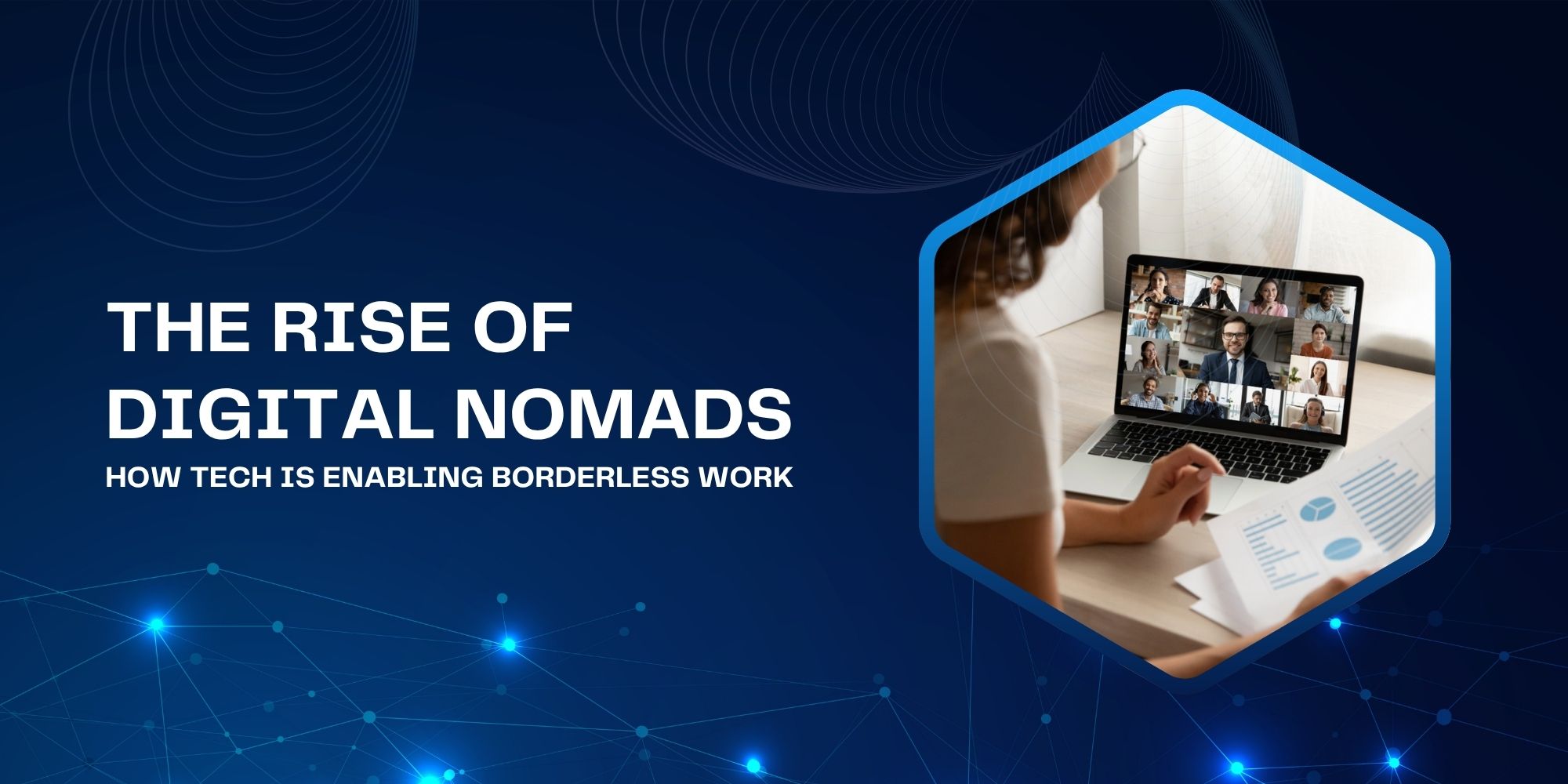
Howdy, y’all, and welcome to another -blog post! Today, we’re talking about how technology is letting people from all over the world work from anywhere with anyone who’s anywhere else. As it is, this marketing team has members in the United States and in India, and we work together seamlessly, all aided by digital tech. Work without borders and all that. If you’re ready to get going, grab a cup of coffee, and let’s dive on in!
A decade ago, the idea of working from a beach in Bali or a café in Lisbon while collaborating with a team spread across continents sounded like a fantasy. Today, it’s a reality for millions. The rise of digital nomads—professionals who leverage technology to work remotely while traveling—is reshaping how businesses view work, talent, and geography. Enabled by advances in connectivity, collaboration platforms, and shifting attitudes toward work-life balance, digital nomadism is moving from niche to mainstream.
Technology as the Great Enabler
The foundation of borderless work is technology. Reliable high-speed internet, cloud-based platforms, and mobile devices make it possible for professionals to perform complex tasks from almost anywhere. Tools like Slack, Microsoft Teams, and Zoom facilitate real-time communication, while project management apps like Trello, Asana, and Monday keep workflows organized. Secure file sharing, cloud storage, and SaaS applications allow seamless collaboration across time zones.
Even industries that once required heavy infrastructure are finding ways to adapt. Software developers can push code from mountain villages, designers can deliver assets from airport lounges, and marketers can run global campaigns without setting foot in a traditional office.
Shifting Workforce Culture
Technology may make borderless work possible, but cultural shifts are making it desirable. The global pandemic normalized remote work, proving to businesses that productivity doesn’t depend on cubicles and commutes. Employees began valuing flexibility as much as pay, prioritizing lifestyles that allowed them to travel, explore, or simply live where they feel happiest.
For younger professionals, especially millennials and Gen Z, work is increasingly about experience and purpose rather than geographic location. Digital nomadism aligns with those values, giving them freedom without sacrificing career growth.
Economic and Business Benefits
From a business perspective, digital nomadism expands access to global talent. Companies can recruit the best people for the job, regardless of location, while saving on office overhead. This shift also enables businesses to provide around-the-clock service by leveraging teams spread across multiple time zones.
Governments are recognizing the economic benefits too. Many countries now offer “digital nomad visas” that encourage skilled workers to live and spend in local communities while maintaining remote jobs elsewhere. This creates a win-win scenario where professionals gain cultural experiences and host countries enjoy economic boosts.
Challenges of a Borderless Workforce
While digital nomadism brings opportunity, it also introduces complexity. Time zone differences can complicate communication, requiring teams to balance synchronous and asynchronous collaboration. Cybersecurity is another concern, as employees working on unsecured networks can increase risks. Companies must invest in VPNs, multifactor authentication, and clear policies to protect sensitive data.
On a personal level, digital nomads often face challenges with stability. Constant travel can lead to feelings of isolation, visa issues, or difficulties accessing healthcare. Maintaining productivity while adapting to new environments requires discipline and strong routines.
The Role of Emerging Tech
Emerging technologies are making digital nomadism more viable. Satellite internet services, like Starlink, extend reliable connectivity to remote areas where traditional infrastructure doesn’t reach. AI-powered translation tools reduce language barriers, and blockchain solutions are enabling secure cross-border payments and contracts. Virtual and augmented reality could soon take remote collaboration to the next level, creating immersive digital workspaces that mimic face-to-face interactions.
As these technologies mature, the divide between traditional office workers and digital nomads will continue to blur. In the near future, a global workforce could function seamlessly across borders with little distinction between where someone lives and how effectively they contribute.
Looking Ahead
The rise of digital nomads signals a broader transformation in how society views work. Geography is becoming less relevant to employment, while flexibility, autonomy, and global interconnectedness are becoming the new standards. For businesses willing to embrace this change, the rewards include access to wider talent pools, increased innovation, and happier employees.
For professionals, digital nomadism offers a chance to craft a lifestyle that balances career ambition with personal fulfillment. It’s not just about working from exotic locations—it’s about redefining what work looks like in an interconnected world.
Thank you so much for reading! While you’re hanging around, why not check out some of our other blog posts. We cover a ton of topics from simple How to posts to diving into the History of several common things you have around the house. Take a peek here. Until next time!
Contributor